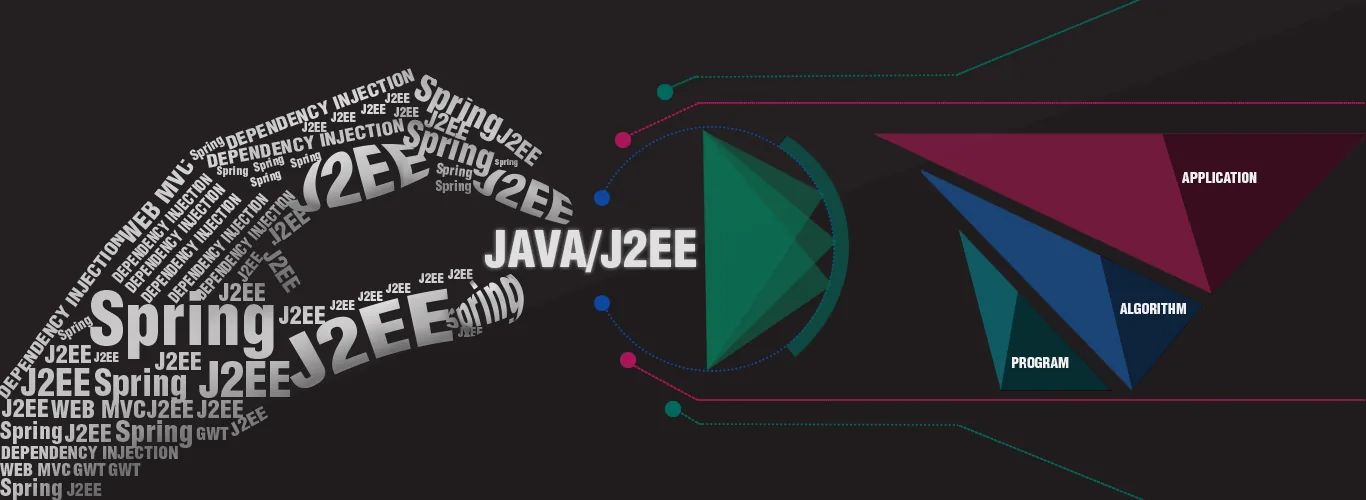
J2ee Server-Side Application & Summer Internship Training
Book Free Demo Class
Dev Technology Solutions offers J2EE training in Salem, with classroom sessions at our centre in RBT Mall, Meyyanur Byepass Road, Salem, and live online classes. The 13-module syllabus covers Servlets, Java Server Pages (JSP), JDBC with J2EE and Enterprise JavaBeans (EJB), with hands-on practice in every module and real-time project work at the end of the course.
The course suits learners who know Java basics (or have finished our Core Java course) and want to build server-side and enterprise Java applications. It prepares you for roles such as Java EE Developer, Backend Java Developer and Web Application Developer. Placement training (resume building, mock interviews and coding tests) is part of the course, and you can book a free demo class before you enrol. For project experience, continue with our internship programs in Salem; related courses include Core Java Training in Salem and Java Full Stack Training in Salem.
The J2EE Training Course at Dev Technology Solutions, Salem is designed to equip students and
professionals with the skills required to build powerful, secure, and scalable enterprise-level
applications using Java Enterprise Edition (J2EE). This comprehensive program covers everything
from the foundational concepts of enterprise Java development to advanced server-side technologies,
helping learners gain expertise in building distributed, multi-tier applications used across
leading industries. As one of the most widely adopted enterprise platforms, J2EE continues to remain
essential for large-scale web applications, banking systems, corporate portals, and cloud-based
enterprise solutions.
This course is structured to support learners of all backgrounds—beginners stepping into backend
development, and experienced professionals seeking to upgrade their technical skill set. The training
begins with an introduction to Core Java essentials, ensuring students are comfortable with OOP
concepts such as classes, objects, inheritance, abstraction, and polymorphism. These fundamentals
serve as the backbone for understanding the architecture and components of enterprise-level
applications.
As learners progress, the course transitions into full-fledged J2EE technologies including Servlets,
JSP, JDBC, and JNDI. Students are taught how to handle client requests, manage sessions, interact with
databases, and build dynamic, data-driven applications. The training further covers essential
enterprise components such as Enterprise JavaBeans (EJB), Java Message Service (JMS), and Java
Transaction API (JTA), enabling learners to develop reliable, scalable, and secure multi-tier
applications.
Dev Technology Solutions provides flexible batch timings for all students in Salem. Choose a daily evening batch or a weekend batch, in the classroom or online. If this schedule doesn’t match your timing, please let us know — we’ll arrange one that suits your convenience.

Can’t find a batch that fits your timing?
Our J2EE trainers at Dev Technology Solutions teach Java enterprise and server-side application development through practical sessions: each topic is explained, demonstrated and then practised on real examples, with doubt-clearing and reviews of your work.
The course is led by Mr. Sasikumar V, who has 18 years of IT industry experience. Read about our trainers on the About Us page.
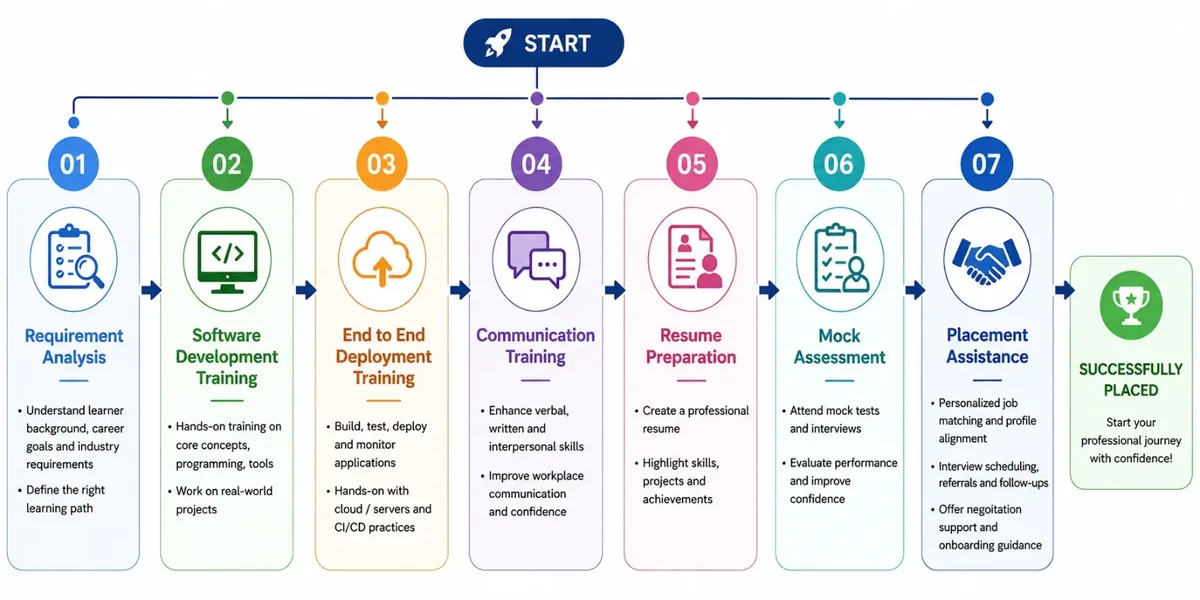
Alongside the technical modules, trainers help you prepare for interviews for roles such as Java EE Developer, Backend Java Developer and Web Application Developer, using the projects you build during the course.
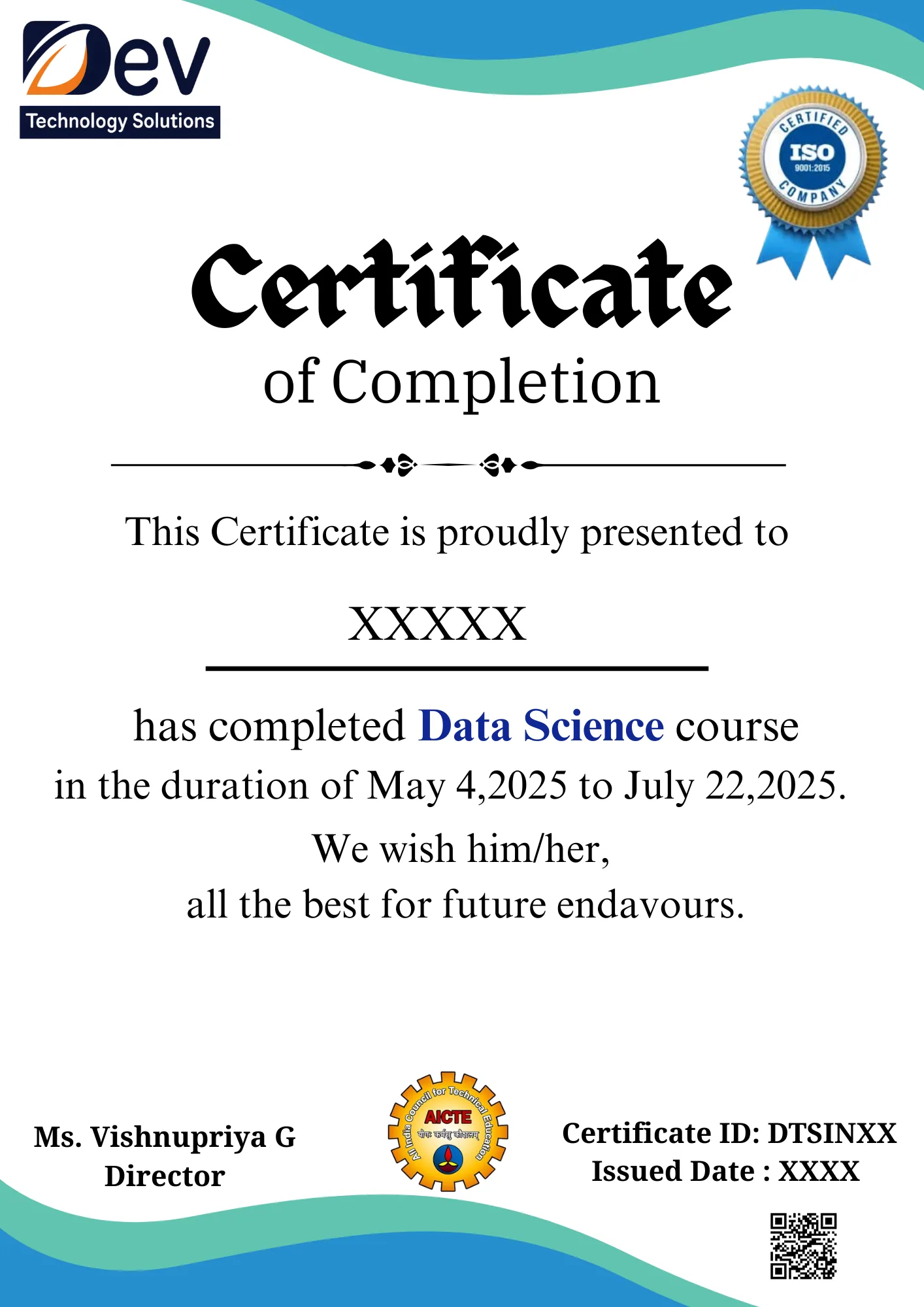
After you complete the J2EE training and its project work, Dev Technology Solutions issues a course completion certificate. Employers can check it on our certificate verification page.
The certificate records the J2EE skills you practised, including Servlets, Java Server Pages (JSP) and JDBC with J2EE, and you can add it to your resume and LinkedIn profile together with the code of your course project.
Placement training is included, so you also practise presenting your certificate and project work in interviews, with resume reviews and mock interviews before you apply for jobs.
The syllabus has 13 modules: Introduction to J2EE, Servlets, Java Server Pages (JSP), JDBC with J2EE, Enterprise JavaBeans (EJB), Web Services, Frameworks in J2EE, Security in J2EE, Advanced J2EE Concepts, Build & Deployment, Testing J2EE Applications, Cloud & Microservices in Java EE and Project & Case Studies.
Both. You can attend classroom sessions at our centre in RBT Mall, Meyyanur Byepass Road, Salem, or join live online classes.
A daily batch (Monday to Sunday) runs at 6:00 PM IST, 1 hour 30 minutes per session. Weekend batches run on Saturday at 10:00 AM IST (3 hours) and Sunday at 5:00 PM IST (2 hours). If none of these suit you, we can arrange a batch at a time that works for you.
The course suits learners who know Java basics (or have finished our Core Java course) and want to build server-side and enterprise Java applications.
Yes. After you finish the training and project work, you receive a Dev Technology Solutions course completion certificate, which employers can check on our certificate verification page.
Yes. Placement training and assistance include resume building, mock interviews, coding tests and job referrals, to prepare you for roles such as Java EE Developer, Backend Java Developer and Web Application Developer.
Fees depend on the course and batch, so call +91-74021-01006 or contact us for the current fee. You can pay by card, net banking or UPI, digital wallet, EMI or cash.
Yes. Book a free demo class on this page or call +91-74021-01006.
More questions? See our general FAQs or contact our Salem team.